School Offerings
Toddler & Primary Curriculum
“The most important period of life is not the age of university studies, but the first one, the period from birth to age six. For that is the time when man's intelligence itself, his greatest implement, is being formed.”
- Dr. Maria Montessori | The Absorbent Mind, p. 21
At Moss + Heart Montessori, we offer a nurturing and enriching environment for children ages 1 to 6. Our goal is to guide each child through a seamless Montessori journey—one that fosters independence, curiosity, and a genuine love of learning. By evolving the classroom alongside our students, we are able to meet children where they are while honoring the integrity of the Montessori approach.
To ensure each child receives the full benefits of the Montessori environment, we admit new students up to the age of 3.5. Exceptions may be considered for children with prior Montessori classroom experience, as familiarity with the structure and expectations supports a successful transition.
We look forward to welcoming new families and continuing to support our current students as they move confidently through this meaningful stage of development.
Toddler Community
Nurturing Emerging Autonomy
“All that we ourselves are has been made by the child, by the child we were in the first two years of our lives.”
- Dr. Maria Montessori | The Absorbent Mind, p. 6
The first three years of life are a period of remarkable development. During this time, children are actively forming their understanding of themselves, their relationships, and the world around them. Dr. Maria Montessori described the child from birth to age three as creating the foundation of the person she will become—not through direct instruction, but through meaningful experiences within her environment.
In the Toddler Community, children are supported as they develop both physical and biological independence. A child is naturally driven to move, explore, communicate, participate, and do things independently. Our role as adults is to nurture this process by preparing an environment where children can safely practice emerging abilities while feeling known, respected, and secure.
The prepared adult observes each child carefully, meets her at her current stage of development, and offers thoughtful support when needed. Through responsive caregiving, respectful communication, and opportunities for meaningful participation, children develop confidence, trust, concentration, and a growing sense of capability.
Children are invited to explore movement, language, practical life activities, sensory experiences, and early social relationships at their own pace. Everyday moments—washing hands, preparing food, caring for the environment, choosing activities, and participating in the routines of the community—become opportunities for growth.
At Moss & Heart Montessori, we view toddlers as capable members of the community. With time, patience, and respectful guidance, children begin to discover one of life’s most important lessons: “I can do it myself.”
Children’s House
A Place for Growing Independence
“We must help the child to act for himself, will for himself, think for himself; this is the art of those who aspire to serve the spirit.”
- Dr. Maria Montessori | Education for a New World, p. 69
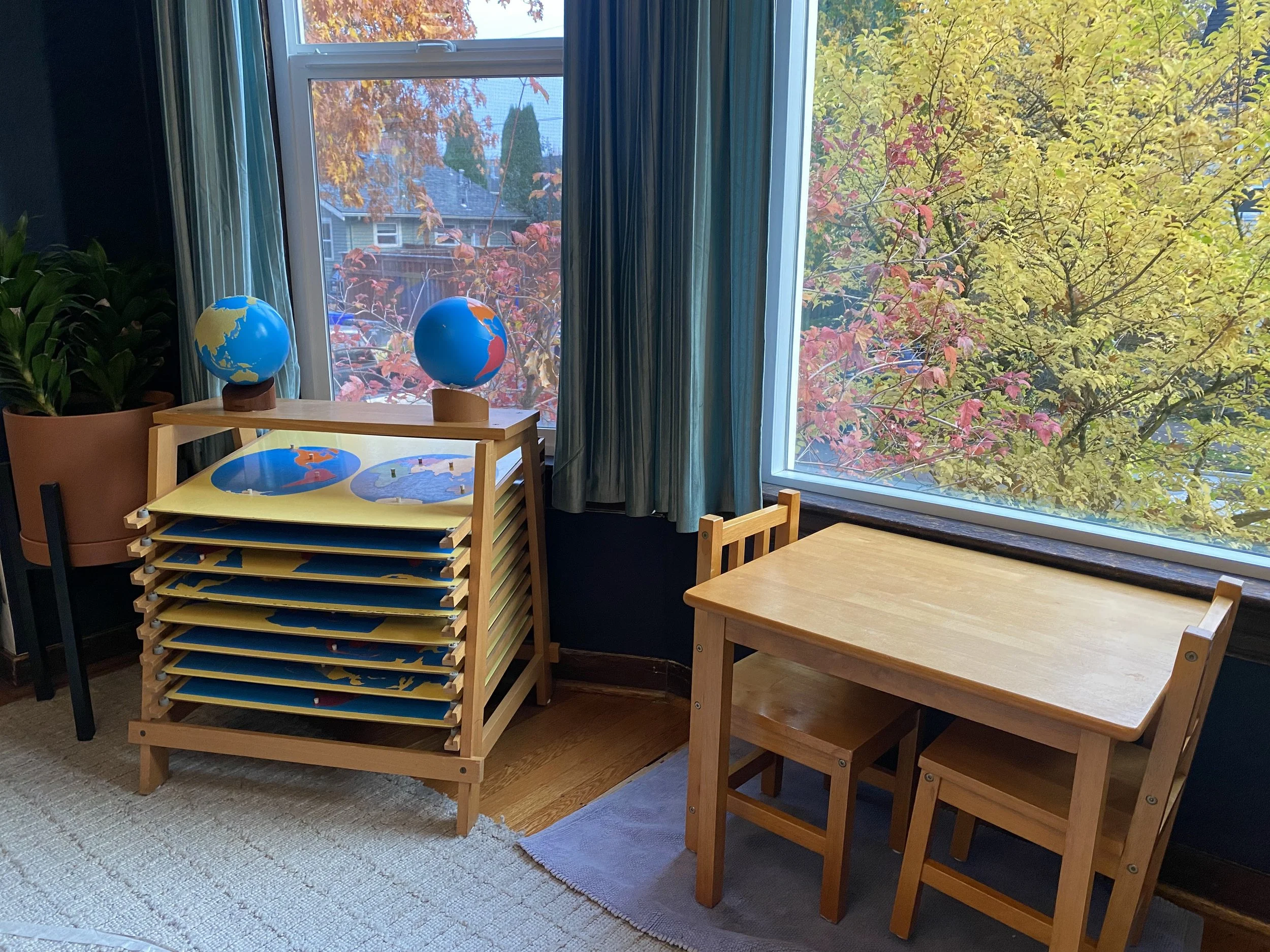
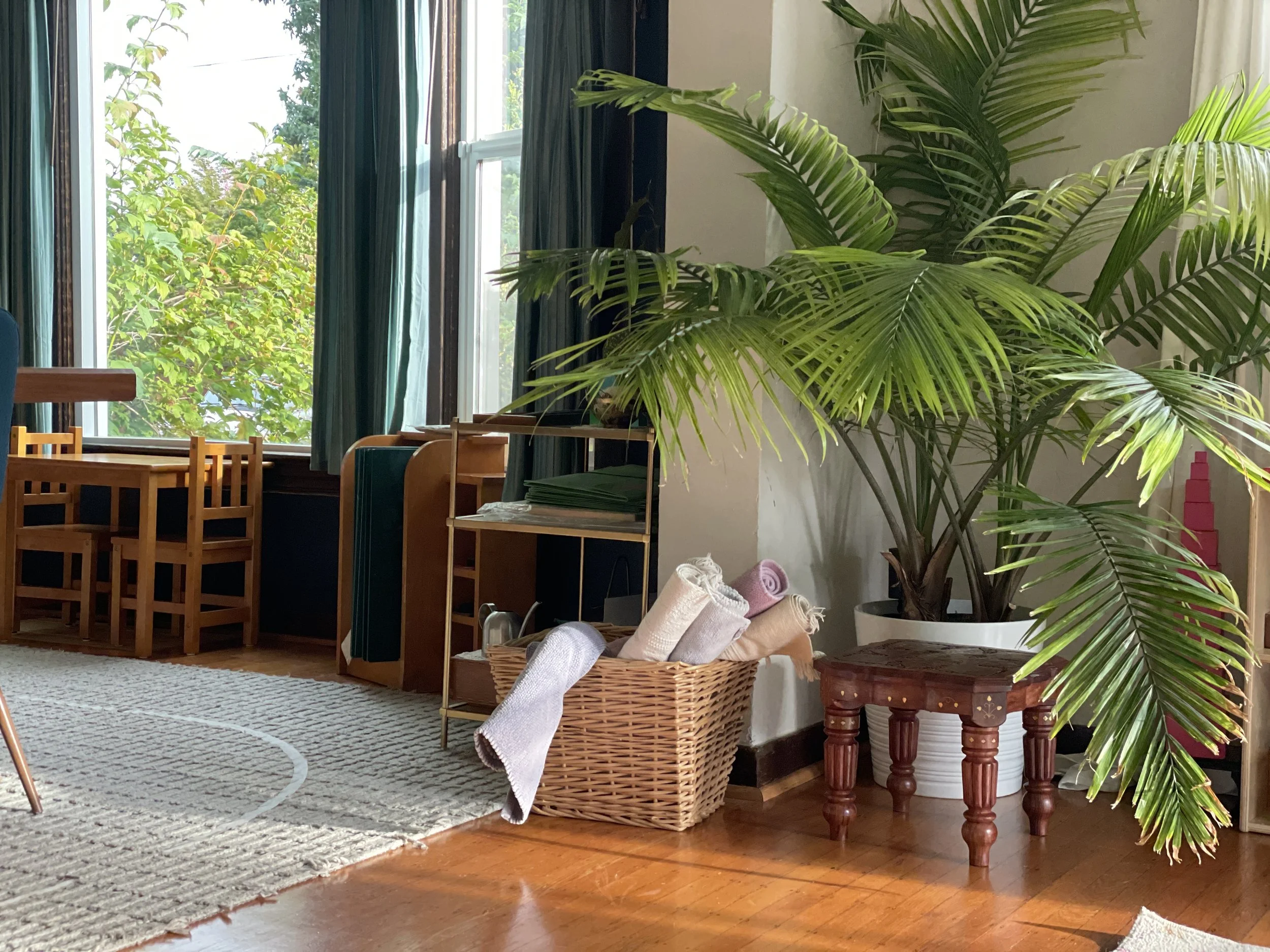
The Montessori classroom for children ages 3–6 was originally called The Children’s House (Casa dei Bambini, 1907), meaning “the house of the children.” It is a space that belongs to the children—a thoughtfully prepared environment where they can explore, discover, practice, and grow into greater independence.
As children move into this next stage of development, their curiosity becomes increasingly purposeful. They are eager to understand how things work, to refine their abilities through repetition, and to participate more fully in the world around them. The prepared Montessori environment meets this growing drive with opportunities to investigate, make choices, practice skills, and follow interests at an individual pace.
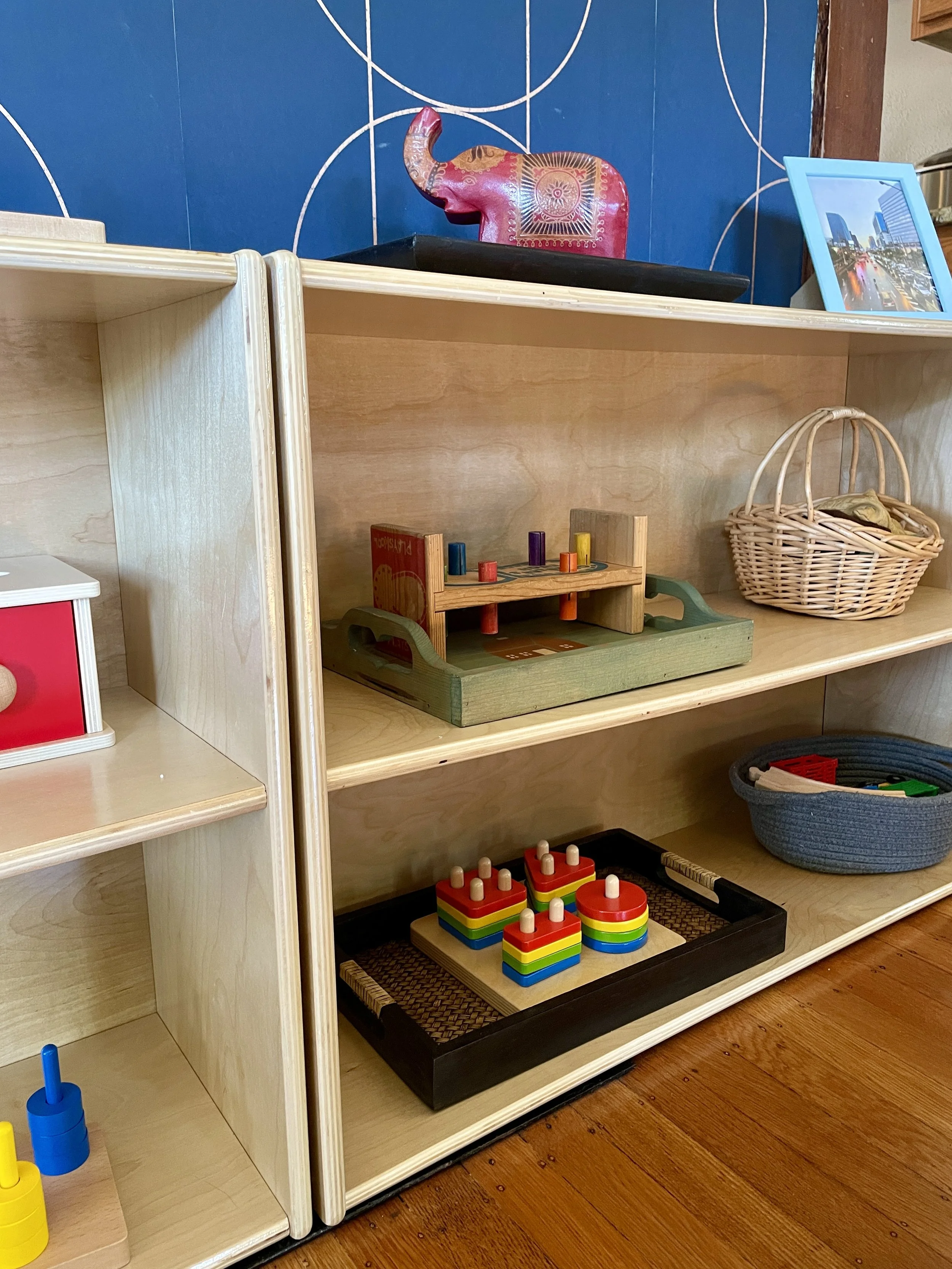
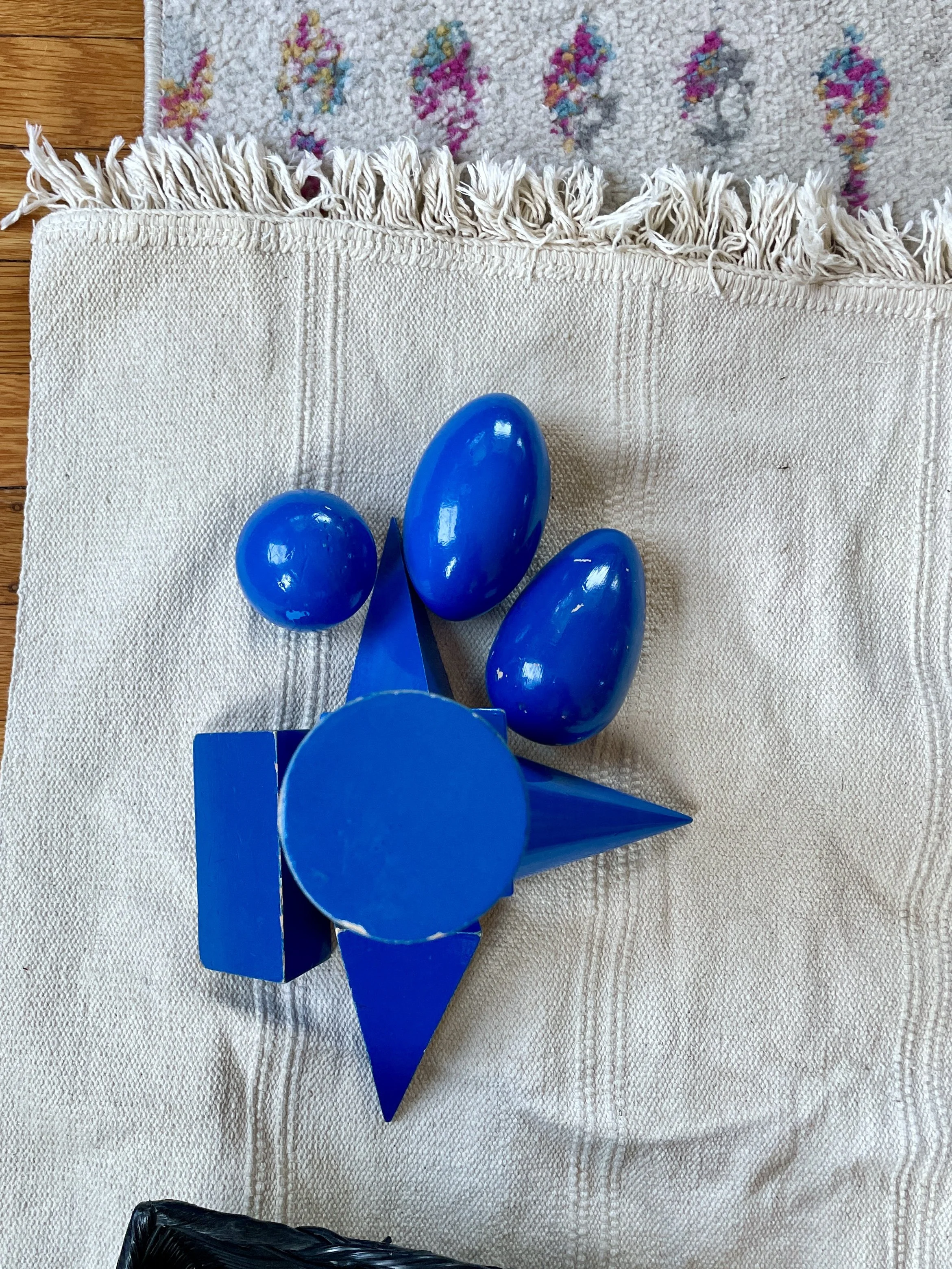
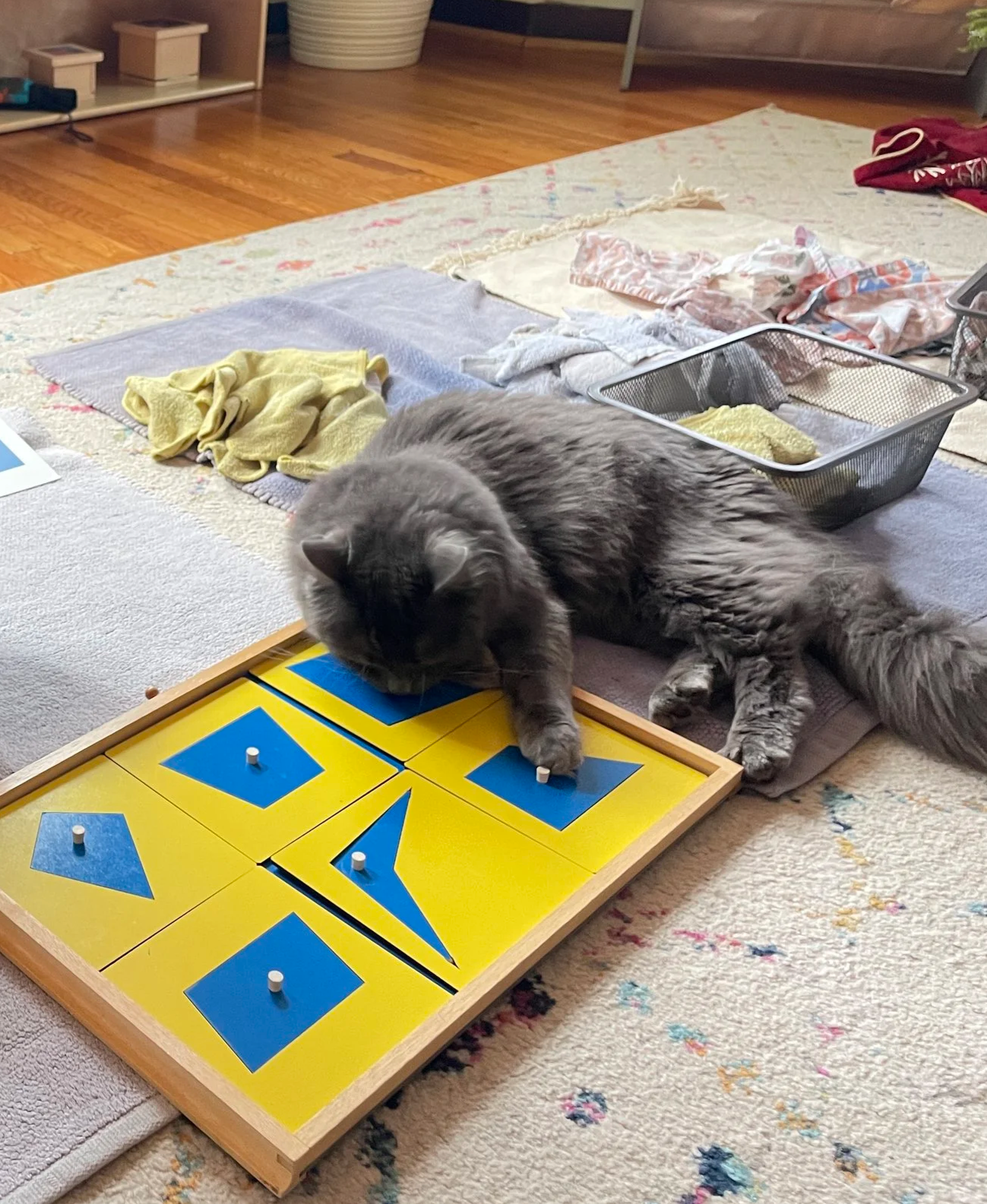
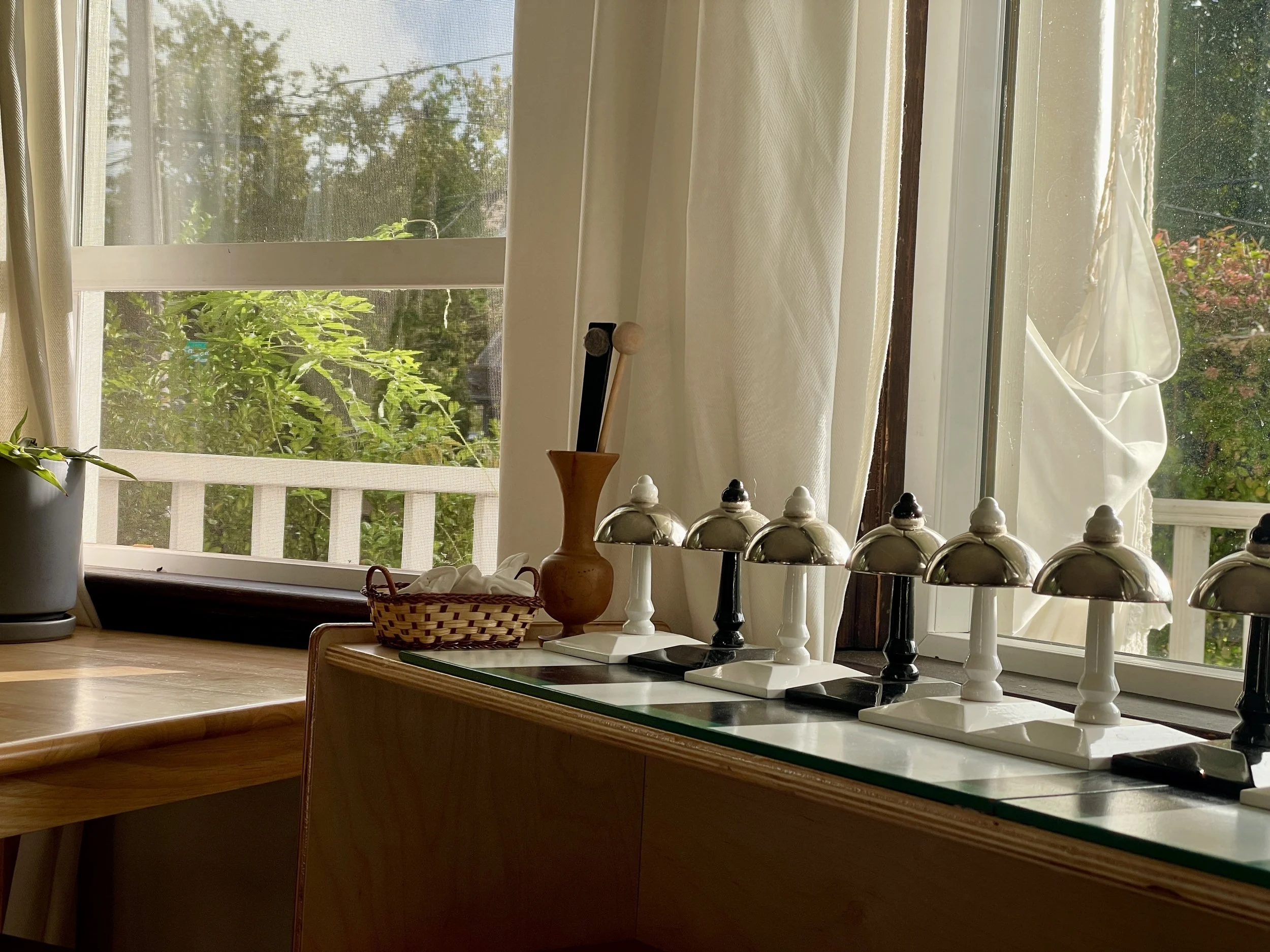
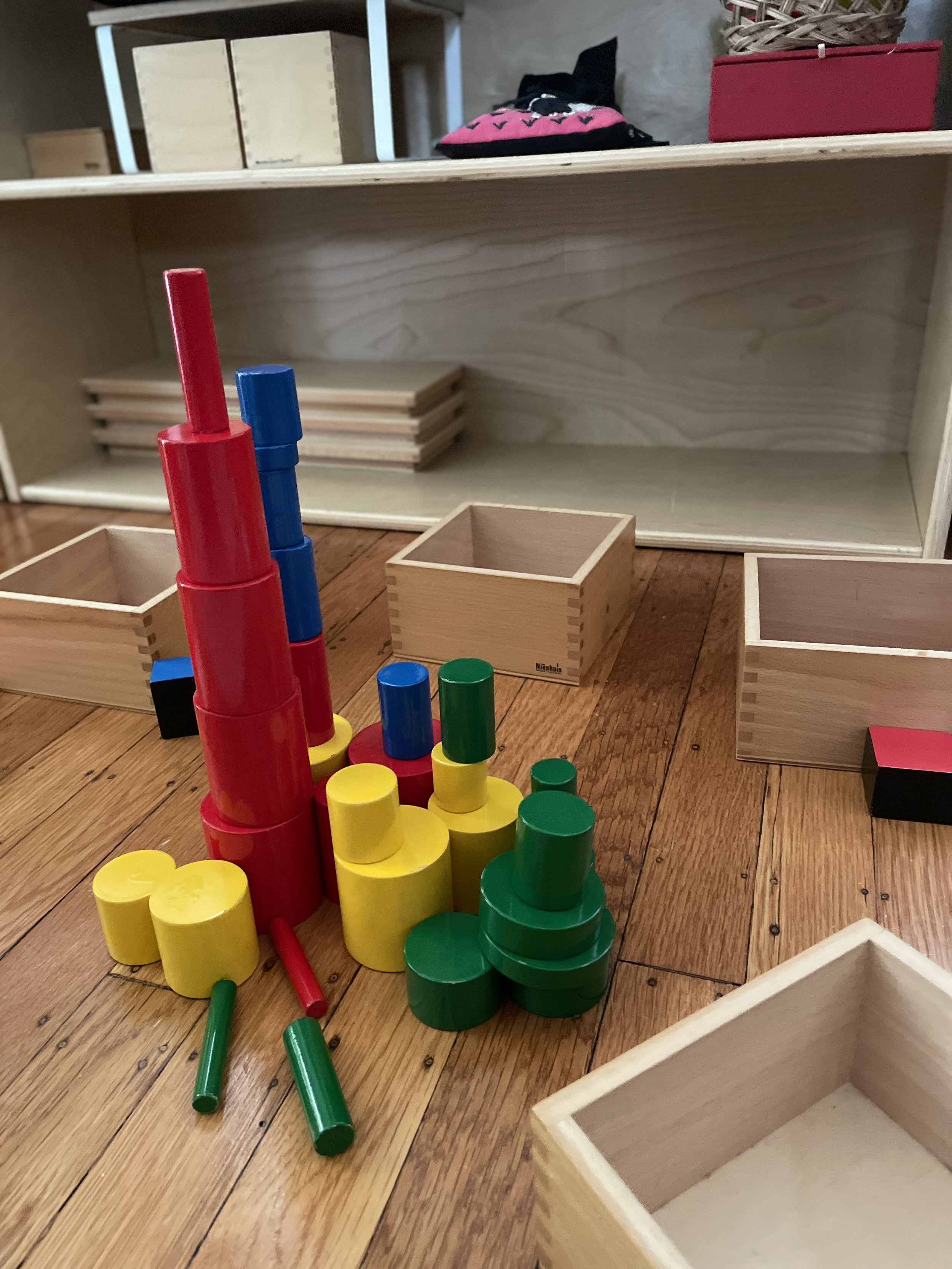
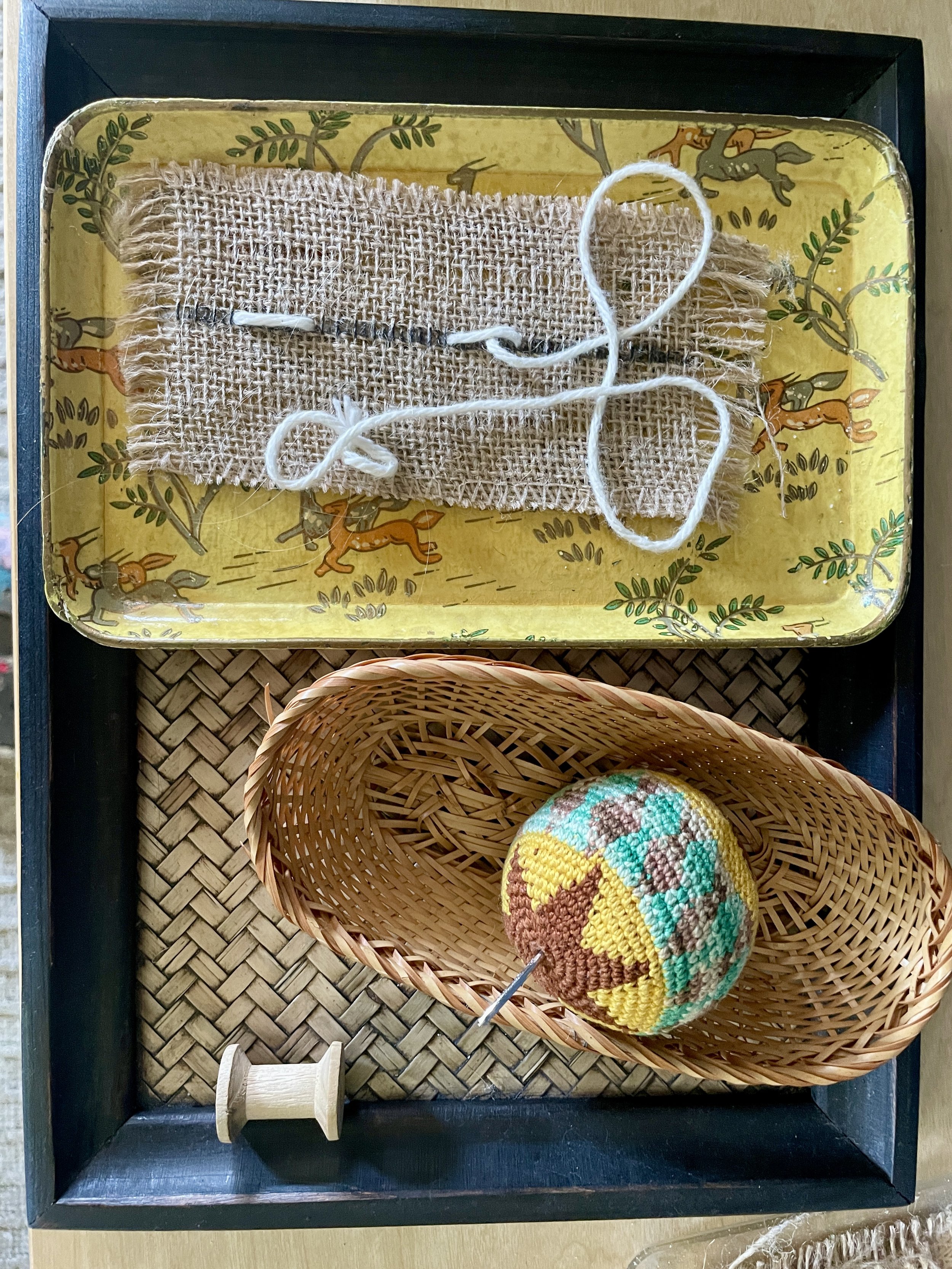
In Children’s House, children encounter practical life, sensorial materials, language, mathematics, and opportunities to explore the many details of the world around them. Each experience has a purpose beyond the activity itself. Through repetition and meaningful work, children develop coordination, concentration, confidence, independence, and an increasingly organized understanding of their environment.
Our role as adults is not to rush the process or take away the joy of discovery. The prepared adult observes carefully, protects the child’s concentration, and offers guidance without taking over. Skills that may feel challenging at the beginning gradually become natural parts of daily life as children are given the time, space, and encouragement to practice. In this way, children experience the deep satisfaction of discovering, “I can do this.”
Children are invited to participate in the full rhythm of community life. They prepare the table, serve themselves and others, pour drinks, clear their plates, compost leftover food, and care for the classroom environment. What may appear to be a simple daily routine becomes an opportunity to build coordination, sequencing, independence, responsibility, and awareness of others.
Children’s House is also a place where social development flourishes. As children live and work alongside one another, they practice navigating friendships, resolving conflicts, repairing relationships, taking responsibility for their actions, and noticing ways to contribute without waiting for an adult to direct them.
At Moss & Heart Montessori, we see this stage as a beautiful unfolding of capability and character. With thoughtful preparation, patient guidance, and genuine respect for the child, children grow toward becoming capable, compassionate members of their community—rooted in curiosity, confidence, responsibility, and respect.
Daily Rhythm
8:15-8:30 AM Drop-Off Window
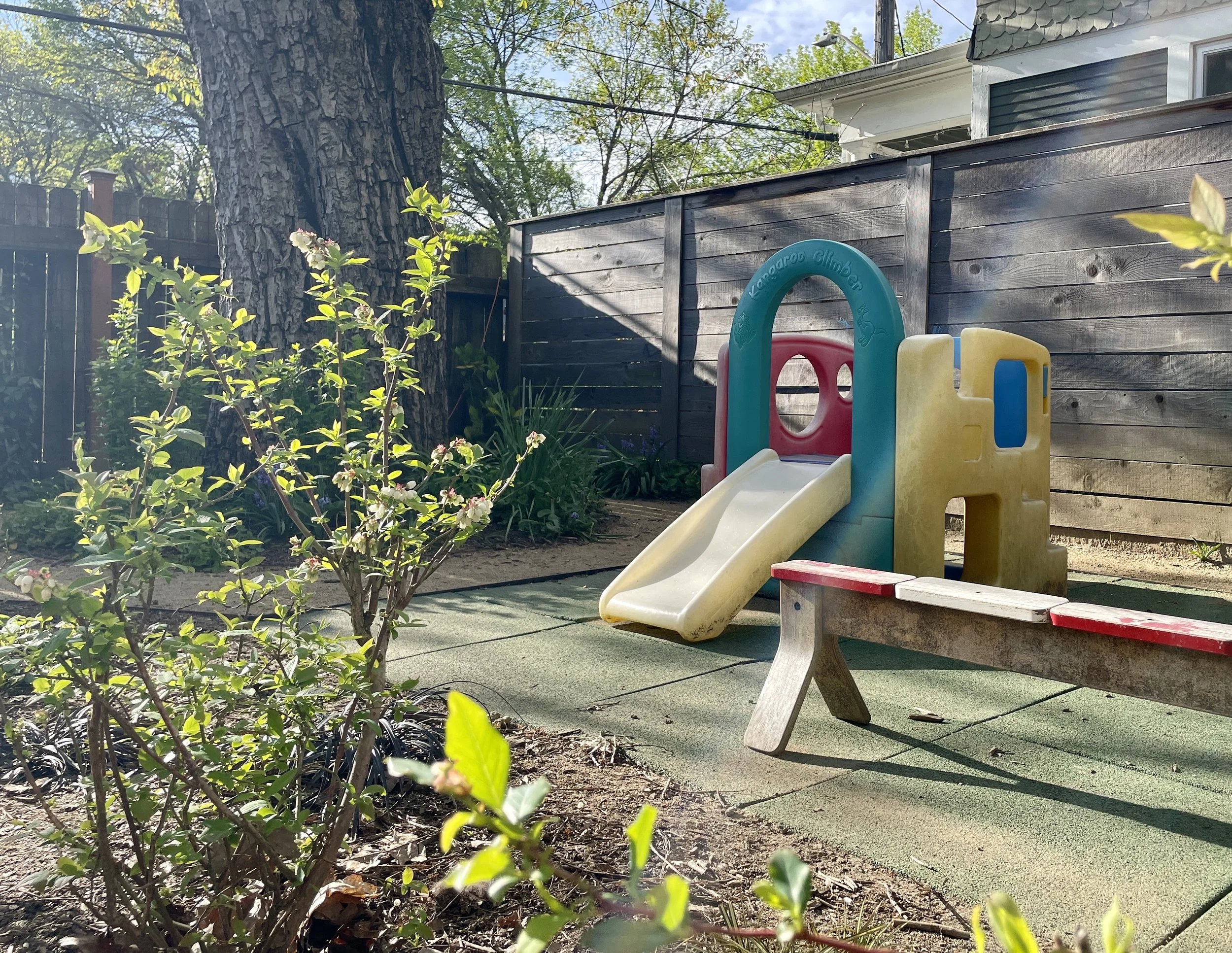
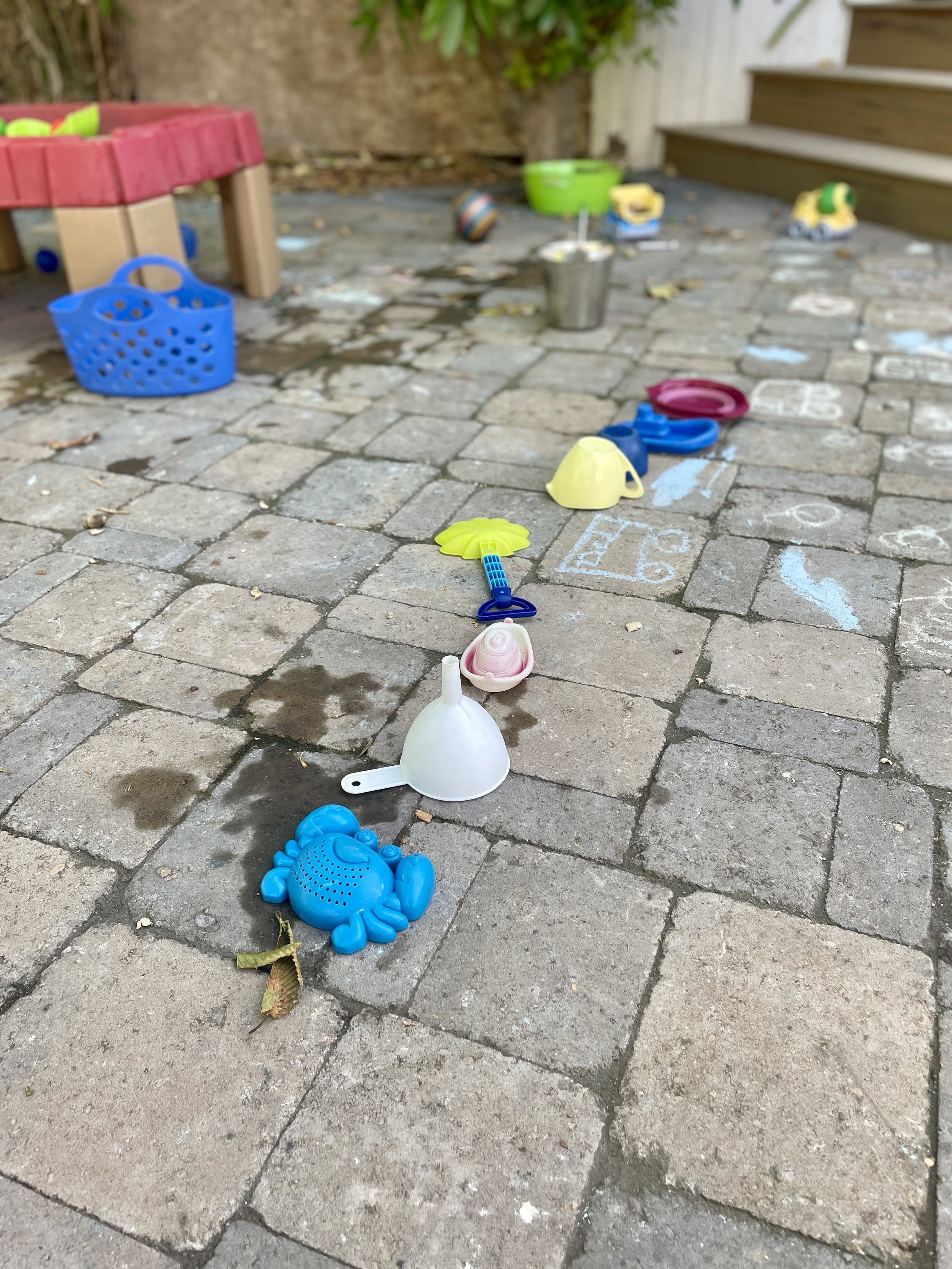
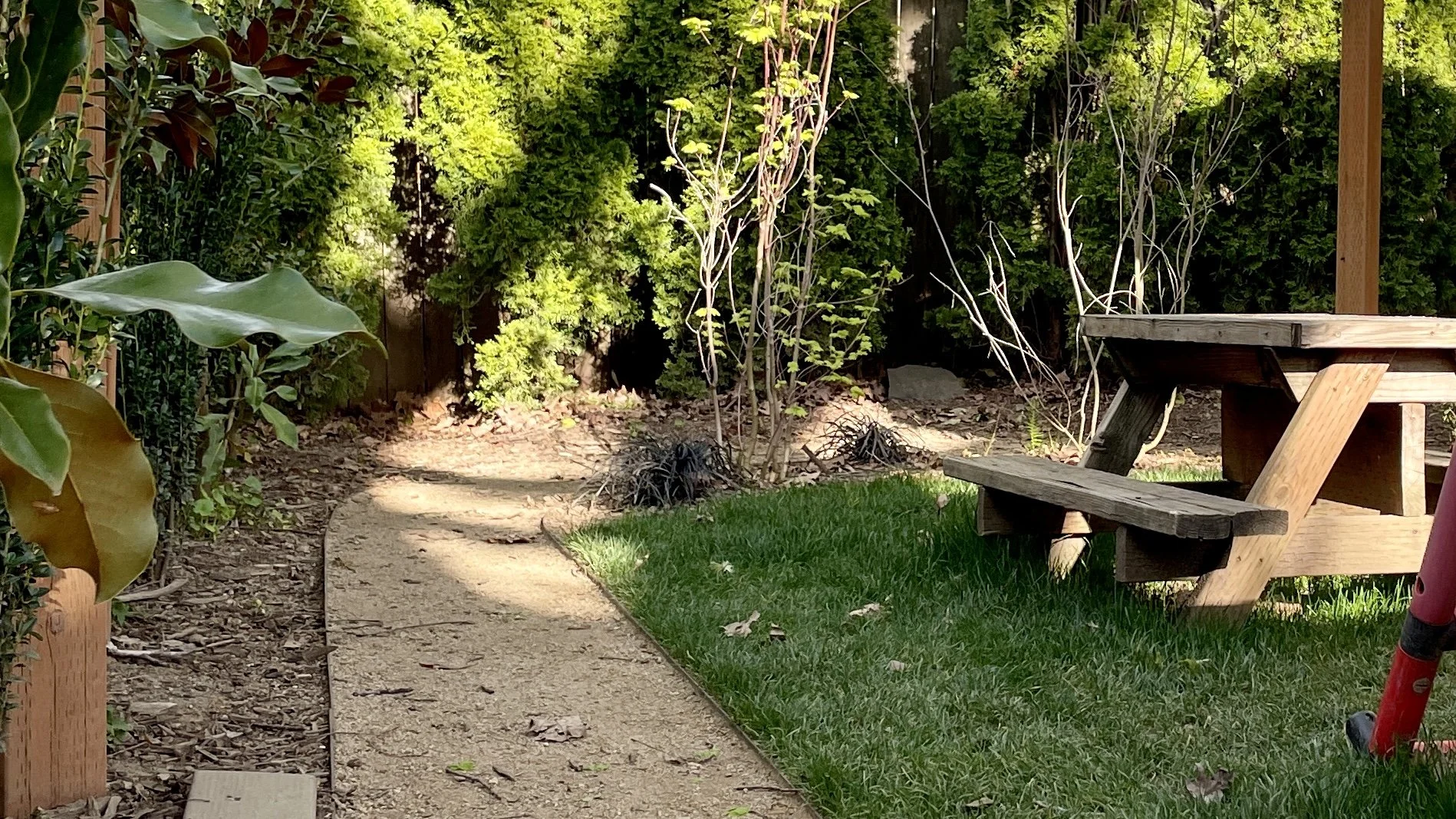
8:30-11:30 AM Work Cycle (Begins outside, typically)
8:45-9:30 AM Morning Snack available
11:15-11:30 AM Transition: Put away work, toileting, wash hands, etc.
11:30 AM- Noon Lunch
11:45-12:00 PM Transition: Toileting, wash hands, prepare for nap, etc.
11:50-12:30 PM Outside play
12:00-12:15 PM Pick-up Window for Half-Day Students
12:30-2:30 PM Nap
2:30-3:00 PM Transition: Toileting, wash hands, etc.
3:00-3:30 PM Afternoon Snack
3:30-4:30 PM Work Cycle (Outside, typically)
4:30-4:45 PM Pick-Up Window for Full-Time Students
Effective Communication
Spanish Language Exposure
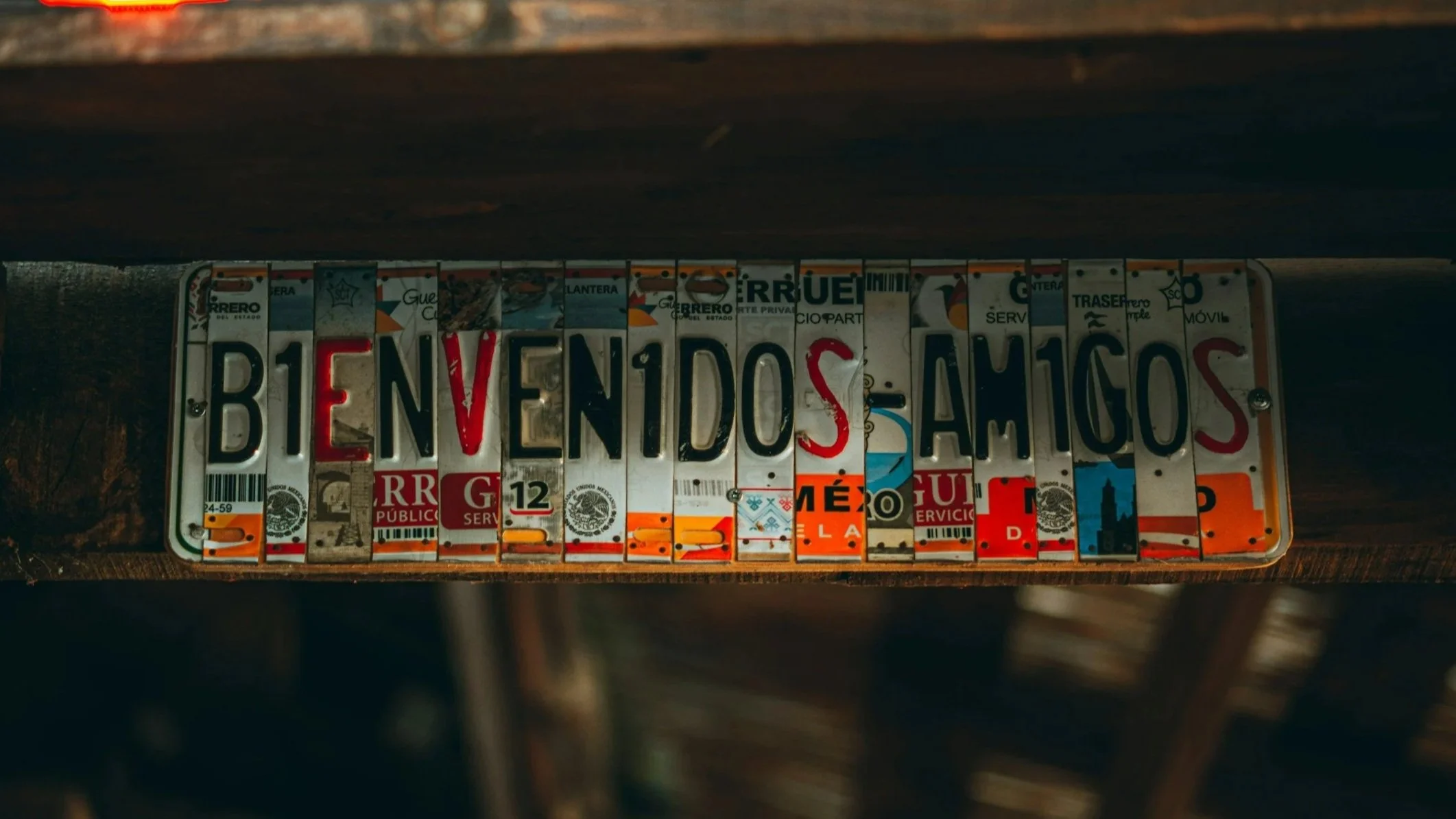
We also cultivate a language-rich environment by introducing basic Spanish. Our morning assistant is a native Spanish speaker, and our Guide is learning alongside the children. As the children’s familiarity grows and our team’s confidence increases, we plan to thoughtfully expand our Spanish offerings over time.

American Sign Language (ASL)
ASL is used throughout our environment to empower young, non-verbal children to express themselves long before spoken language fully develops. Signing allows children to communicate needs, observations, and emotions, reducing frustration for both children and caregivers. It also encourages respectful interactions—such as asking a child before picking them up—and strengthens peer relationships by providing a shared, accessible way to communicate.
Moments such as a child joyfully signing about the wind or expressing discomfort from a skin irritation illustrate how ASL gives even our youngest learners a meaningful voice.
Once the child can speak, he can express himself and no longer depends on others to guess his needs. He finds himself in touch with human society, for people can only communicate by means of language.
- Dr. Maria Montessori | The Absorbent Mind, p.78
At this time, the Guide’s level of ASL is conversational, with steps being taken to deepen knowledge to further support the children’s ability to use ASL in the classroom. Support will be offered to parents and families who are currently unfamiliar with ASL and wish to bring it into the home.
Nutrition for Body & Mind



Moss & Heart offers nutritionally balanced snacks and lunch each day—at no additional cost to families—designed to nourish both body and mind. Our current recipes are ovo-vegetarian, and menus are planned with care and sensitivity to the cohort’s food values, allergies, and dietary needs.
Amy’s family prepares South Indian cuisine at home, and occasionally these recipes—gently adapted for young palates—are shared with the class. This offers children meaningful exposure to global flavors in an accessible and joyful way.
Meals are prepared in partnership with our school’s Culinary Collaborator, who supports whole-food preparation, recipe development, and seasonal menu planning. This collaboration ensures that food is both deeply nourishing and thoughtfully crafted, while expanding children’s experiences of taste, texture, and variety.
Each meal is thoughtfully composed with fruits, vegetables, whole grains, and protein to promote steady energy, healthy development, and a positive relationship with food. When sweetness is offered, it comes from whole foods or is paired with fiber to support balanced absorption.
We gently encourage children to explore new foods—and to revisit familiar ones—as taste preferences naturally evolve with time and repeated exposure. Children are supported in keeping food on their plates and treating the shared meal with respect.
Conversations about food are woven into daily life. Guides speak with children about how different colors and food groups nourish the body, and how balanced meals support growth, energy, focus, and overall well-being.
Whenever possible, food is served family-style in alignment with Montessori principles of independence and community. Children are invited to serve themselves and others, pour water, clear their dishes, and at times assist with simple food preparation. These simple, meaningful acts cultivate confidence, coordination, practical life skills, and a genuine sense of contribution to the classroom community.
This spirit of autonomy is also reflected on the classroom shelves, where children may freely choose to prepare a simple snack or brew tea, often inviting a friend or two to join them. In these peer-led gatherings, they practice conversation, take turns offering and receiving food, sing together—sometimes guided by a confident solo leader—and experience the quiet patience of waiting.
-
![]()
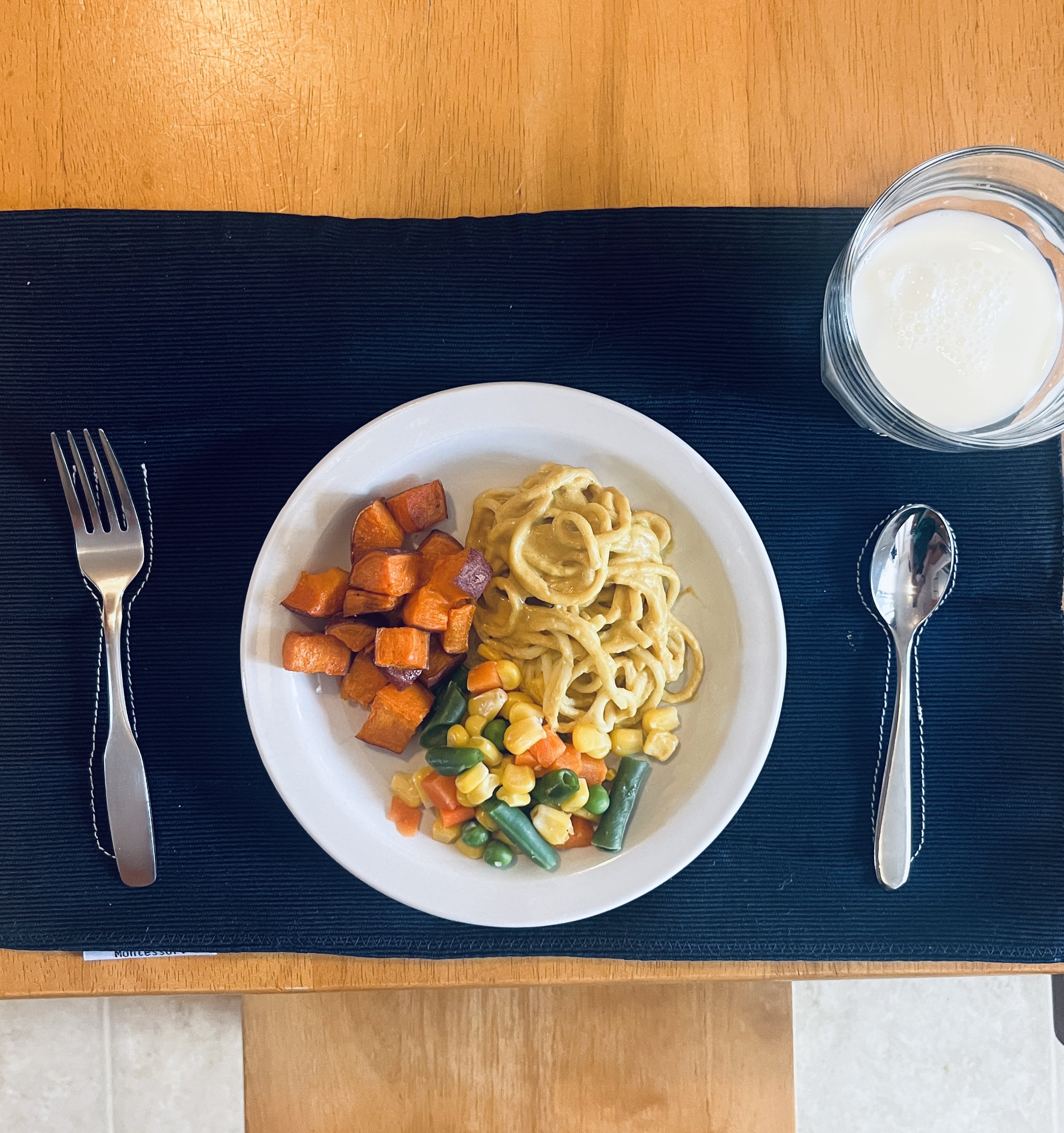
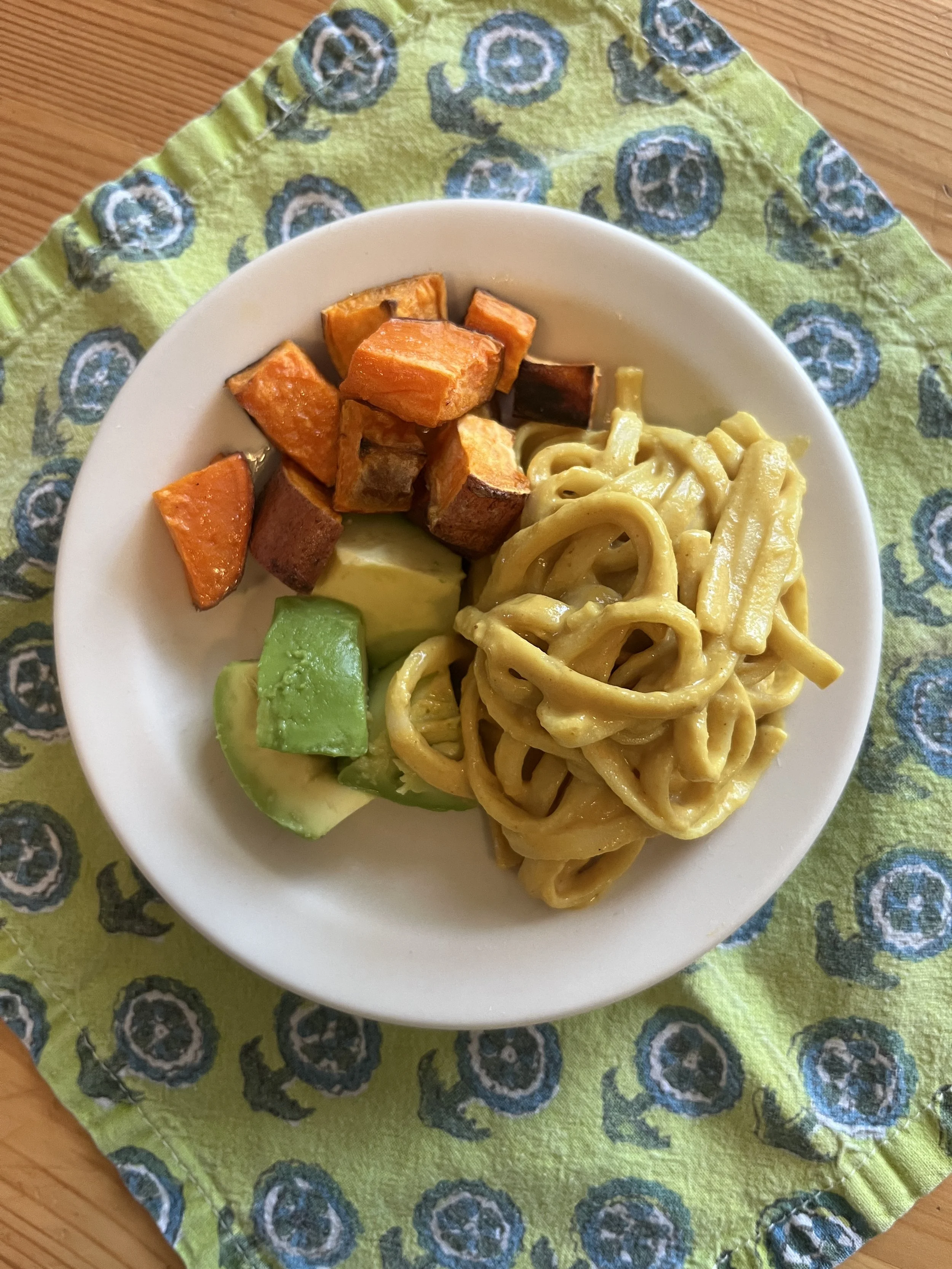
Peanut Udon Noodles + roasted sweet potatoes & steamed mixed vegetables
-
![]()
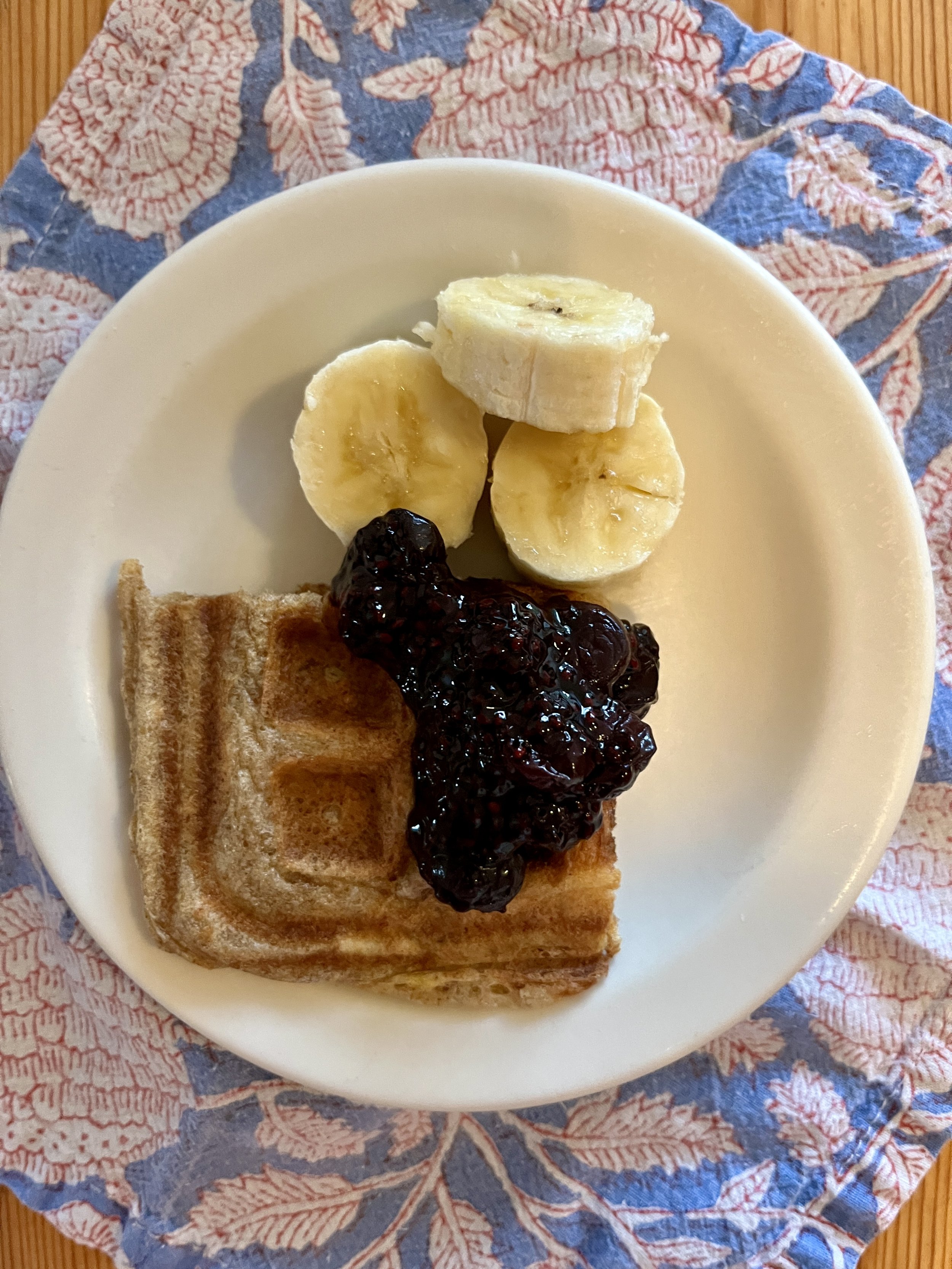
Whole Wheat Sourdough Waffles + Chia Blueberry Jam & Bananas
-
![]()
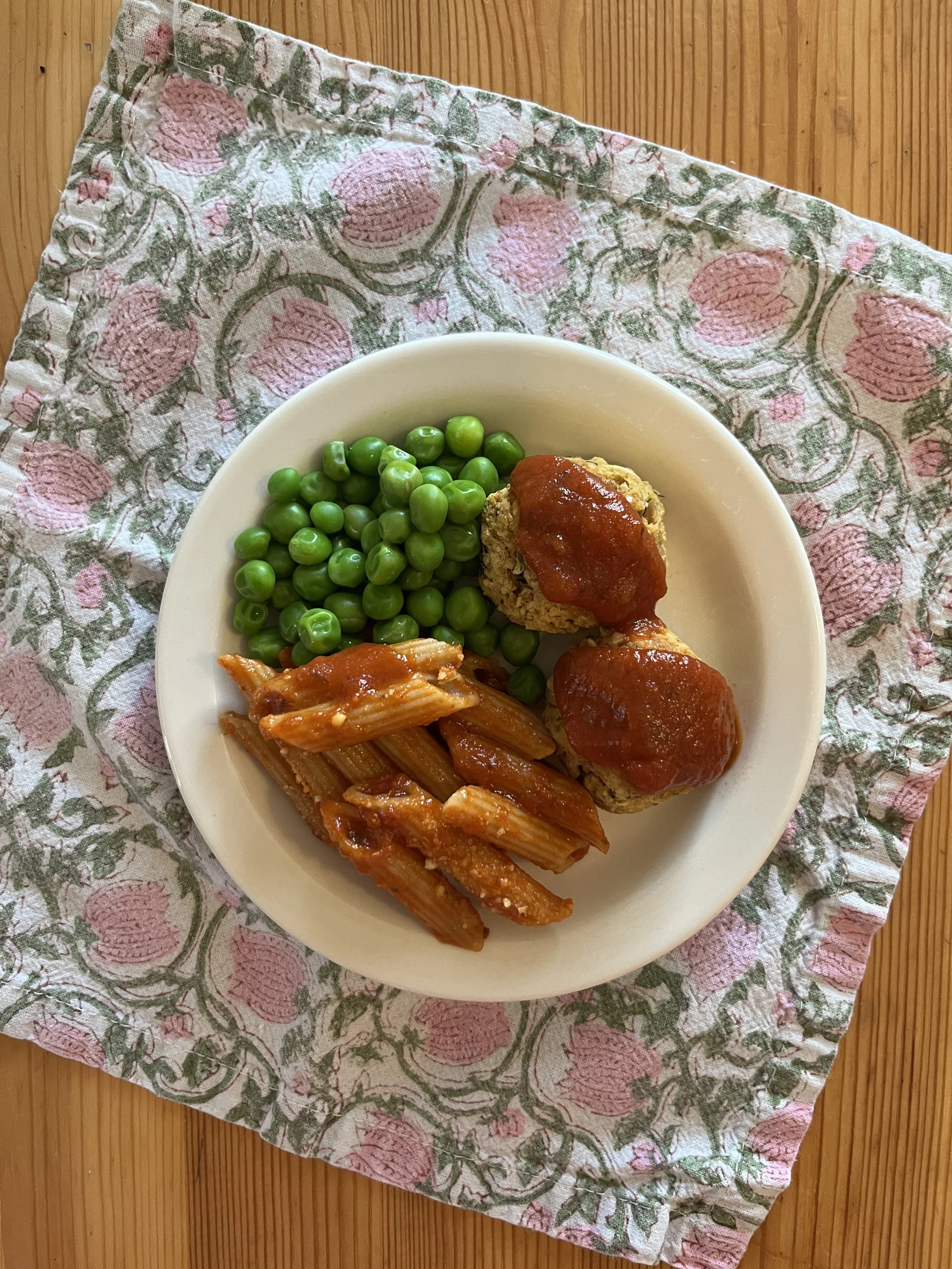
Whole Wheat Penne + zucchini garbanzo meatballs & marinara, served with peas
-
![]()
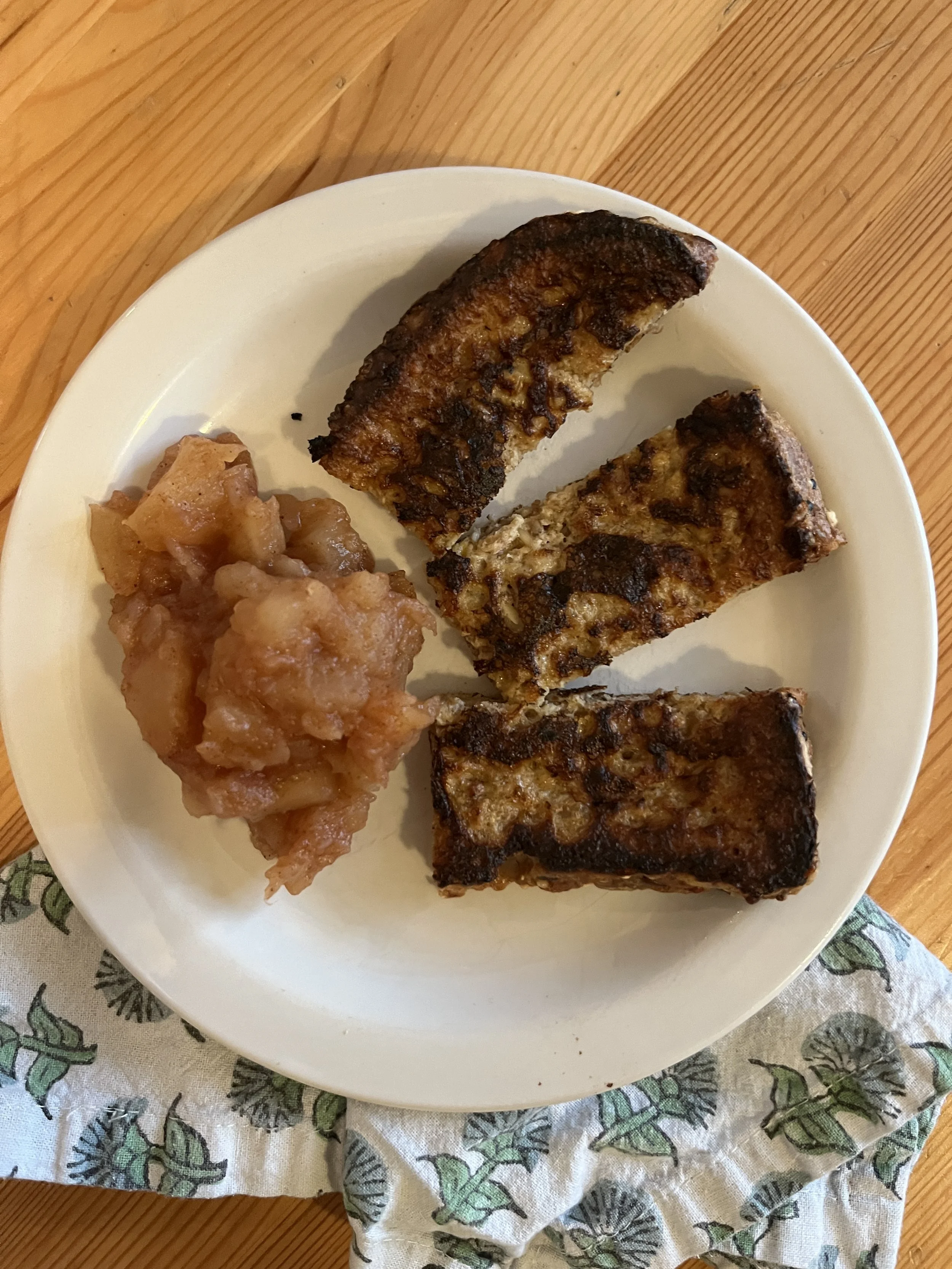
French Toast + Homemade Cinnamon Applesauce
-
![]()
Peanut Lo Mein Noodles + roasted yams & avocado
-
![]()
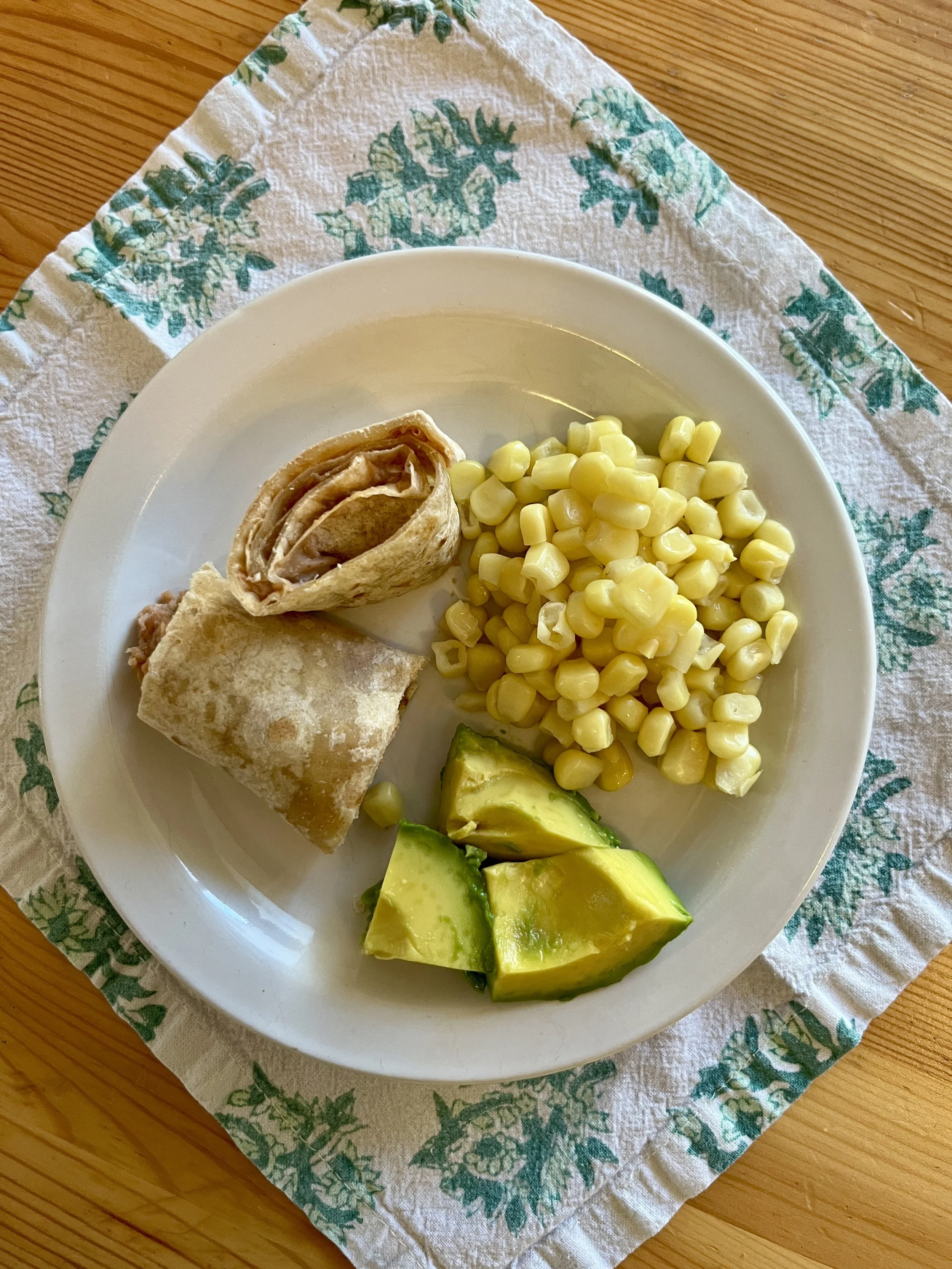
Bean Wraps + sweet corn & fresh avocado
-
![]()
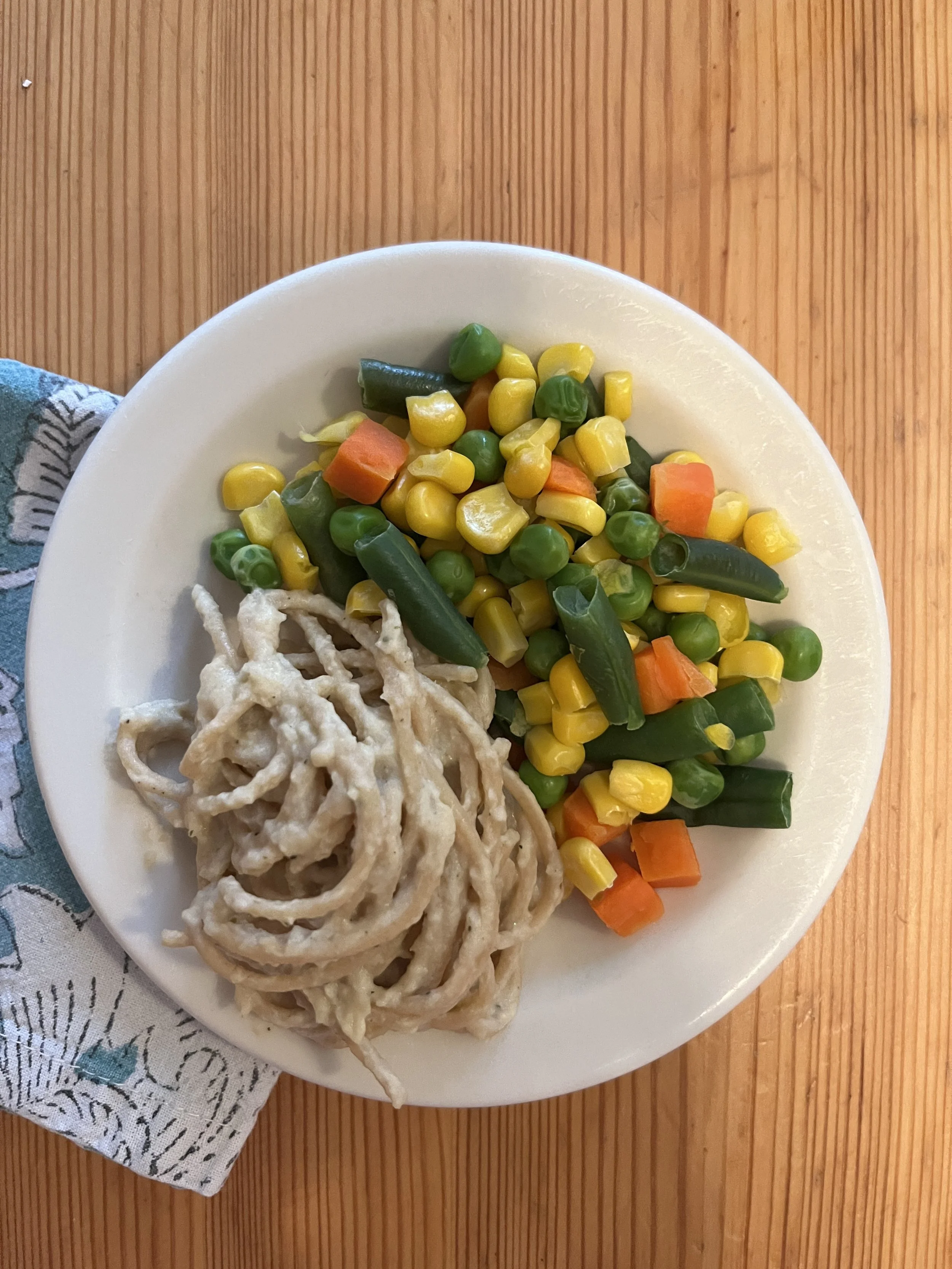
Spaghetti “Alfredo” — whole wheat pasta + white bean & cauliflower sauce, served with mixed veggies
-
![]()
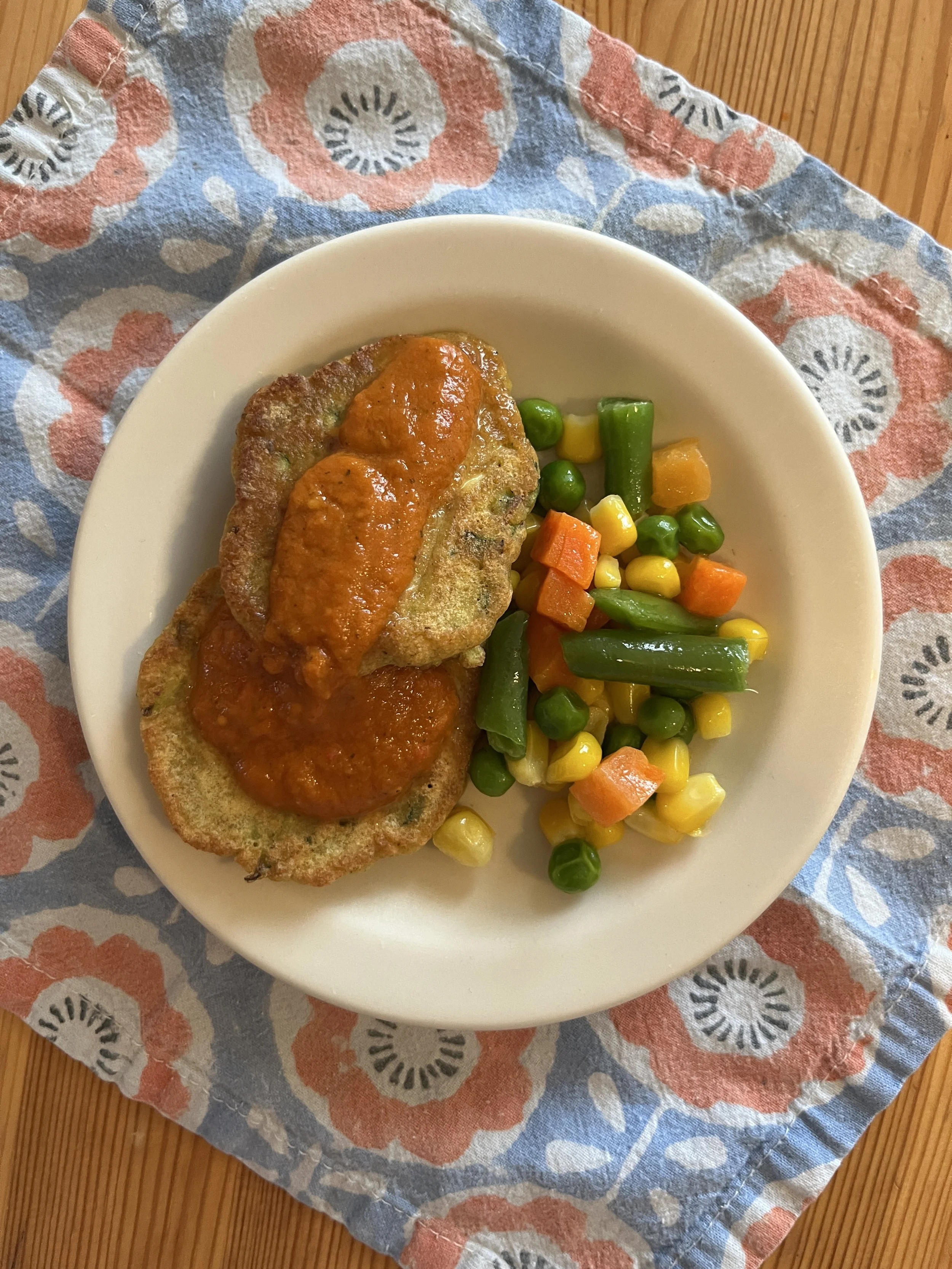
Garbanzo Bean Zucchini Fritters topped with Roasted Tomato Sauce + mixed veggies
-
![]()
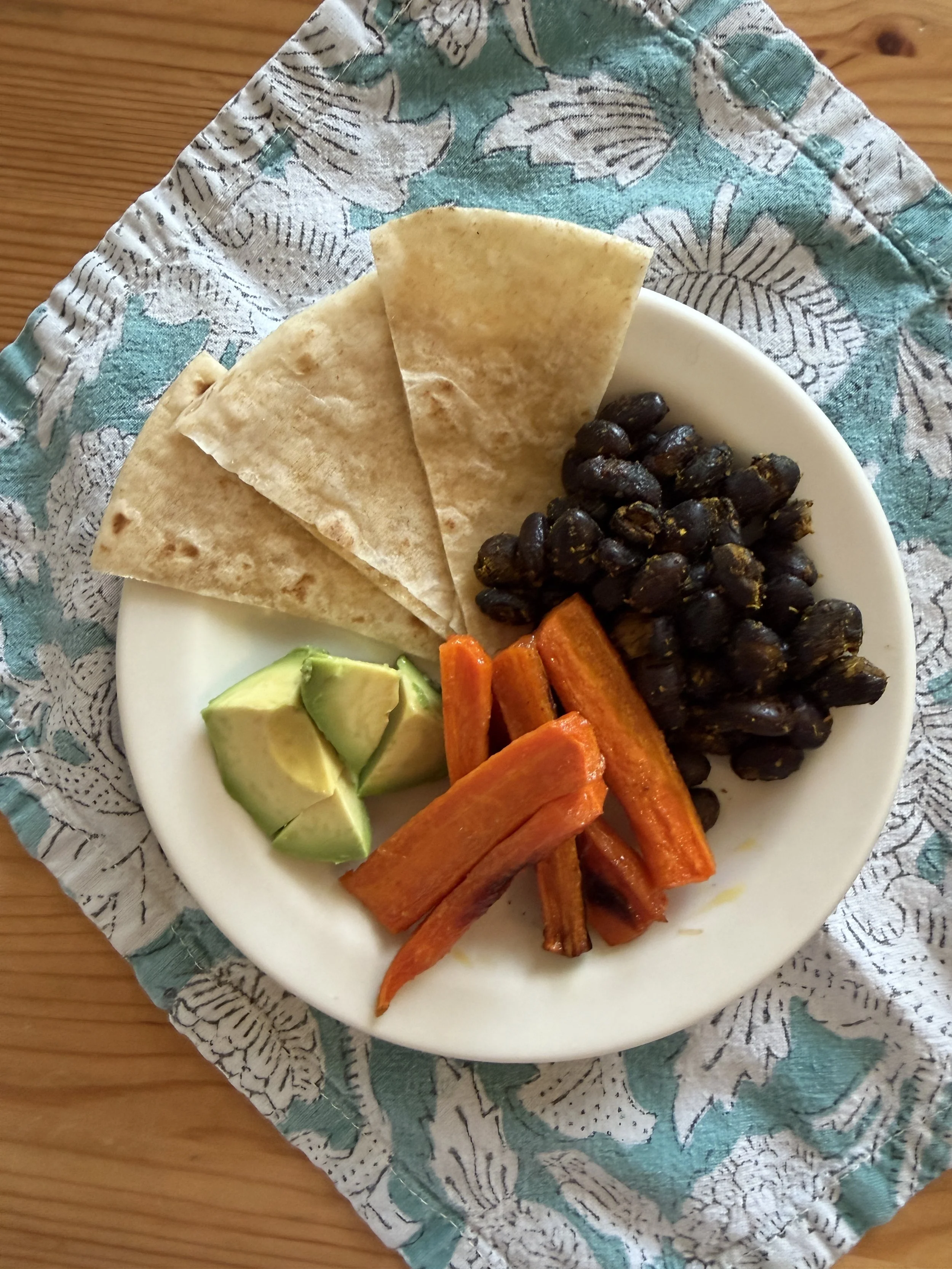
SW Seasoned Black Beans + Tortilla wedges, Roasted Carrots, & Avocado
-
![]()
Protein Power Ball + Orange Slices
-
![]()
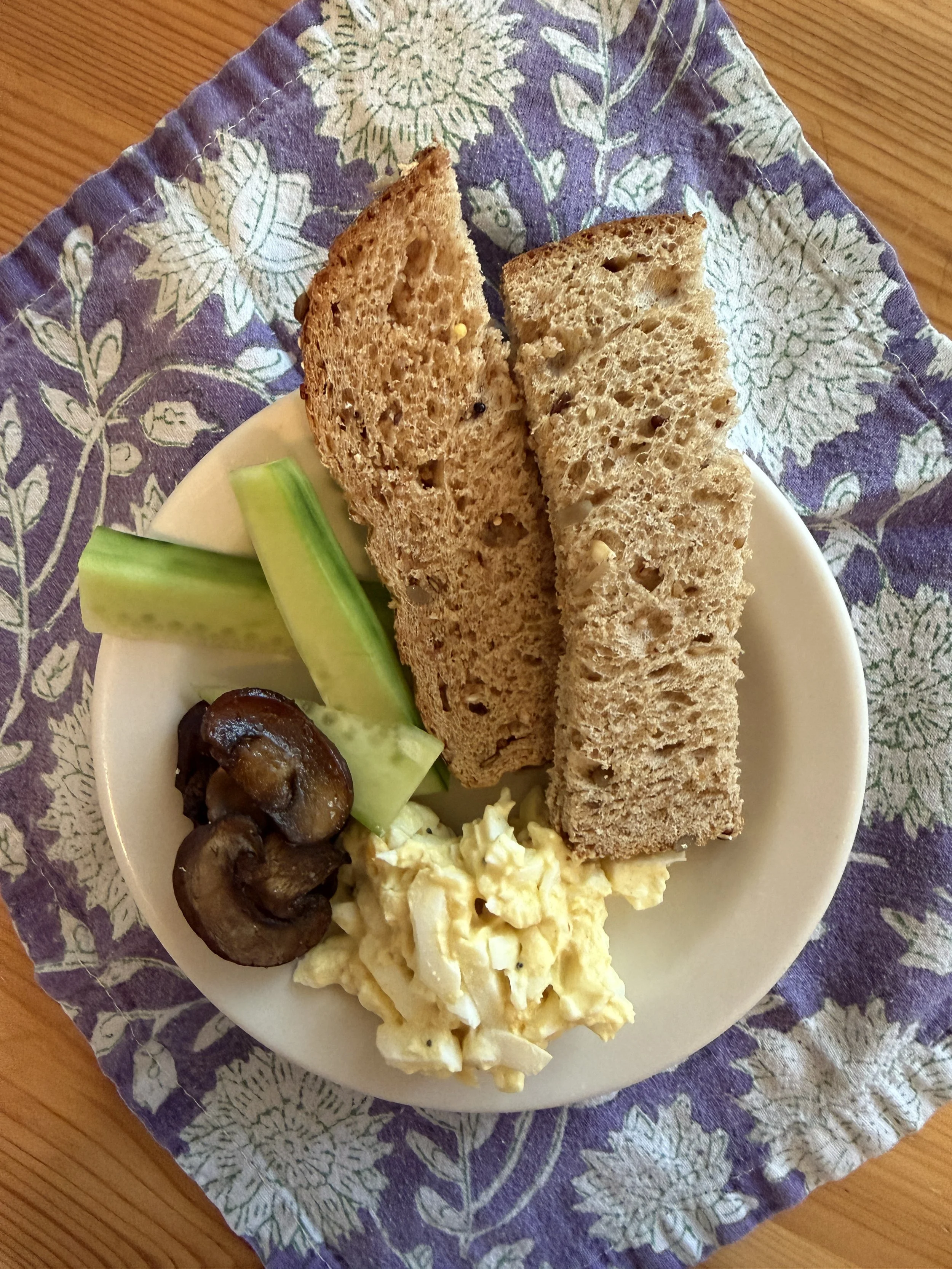
Egg Salad + Crispy Mushrooms, Cucumbers, & Toast
-
![]()
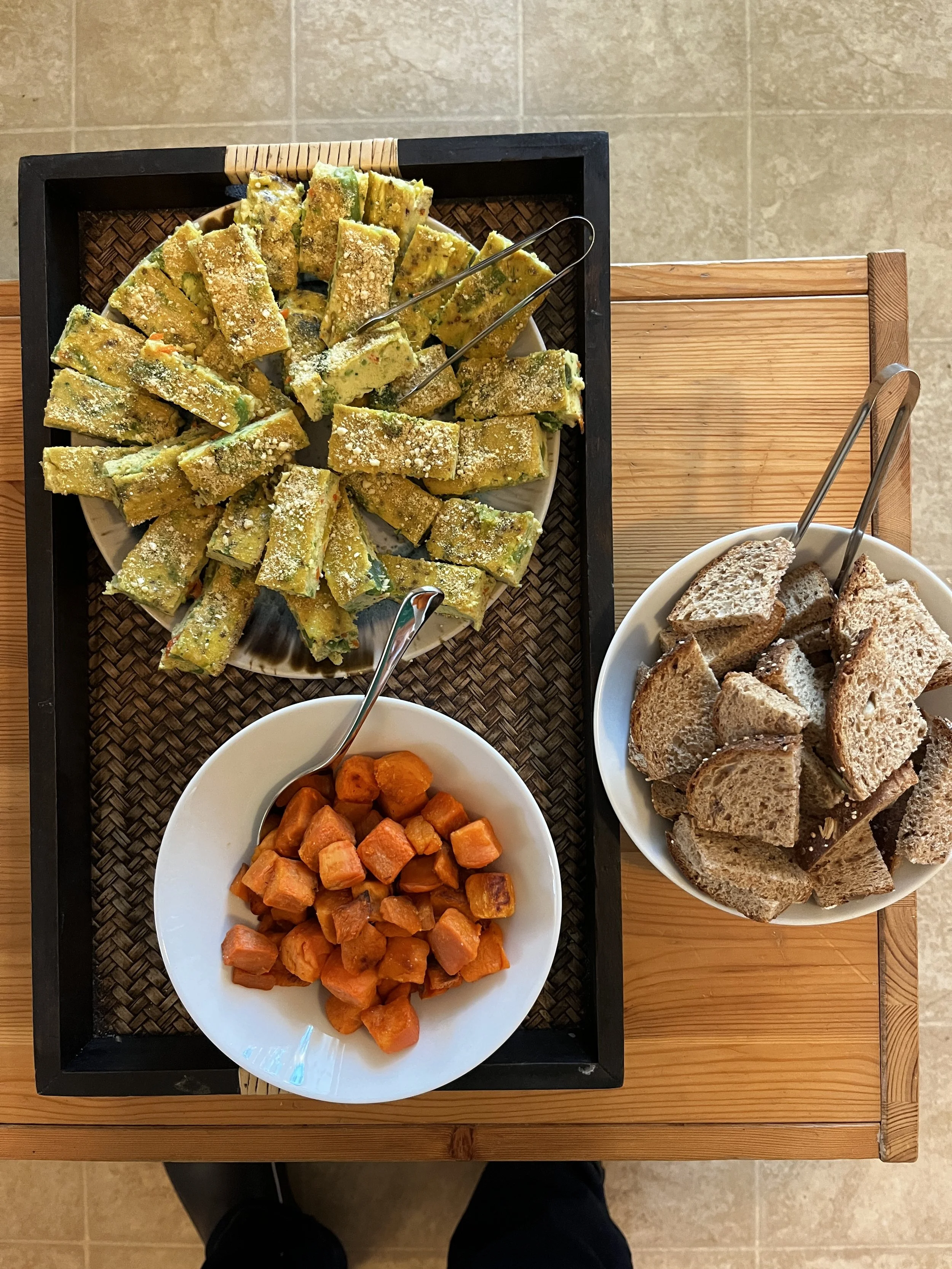
Veggie Frittata + Sweet Potatoes & Toast
-
![]()
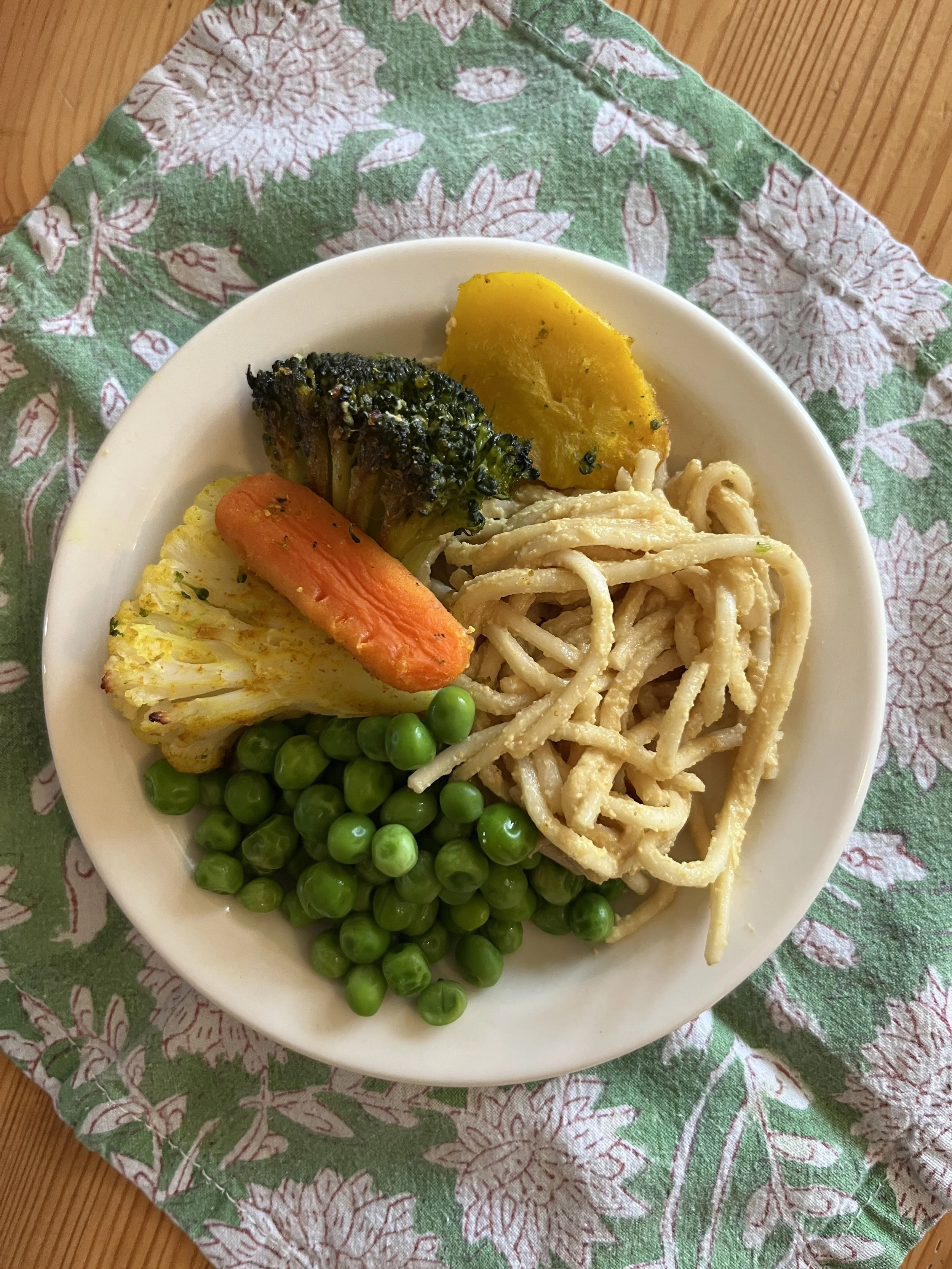
Udon Noodles with Peanut Sauce + Roasted Vegetables & Green Peas
-
![]()
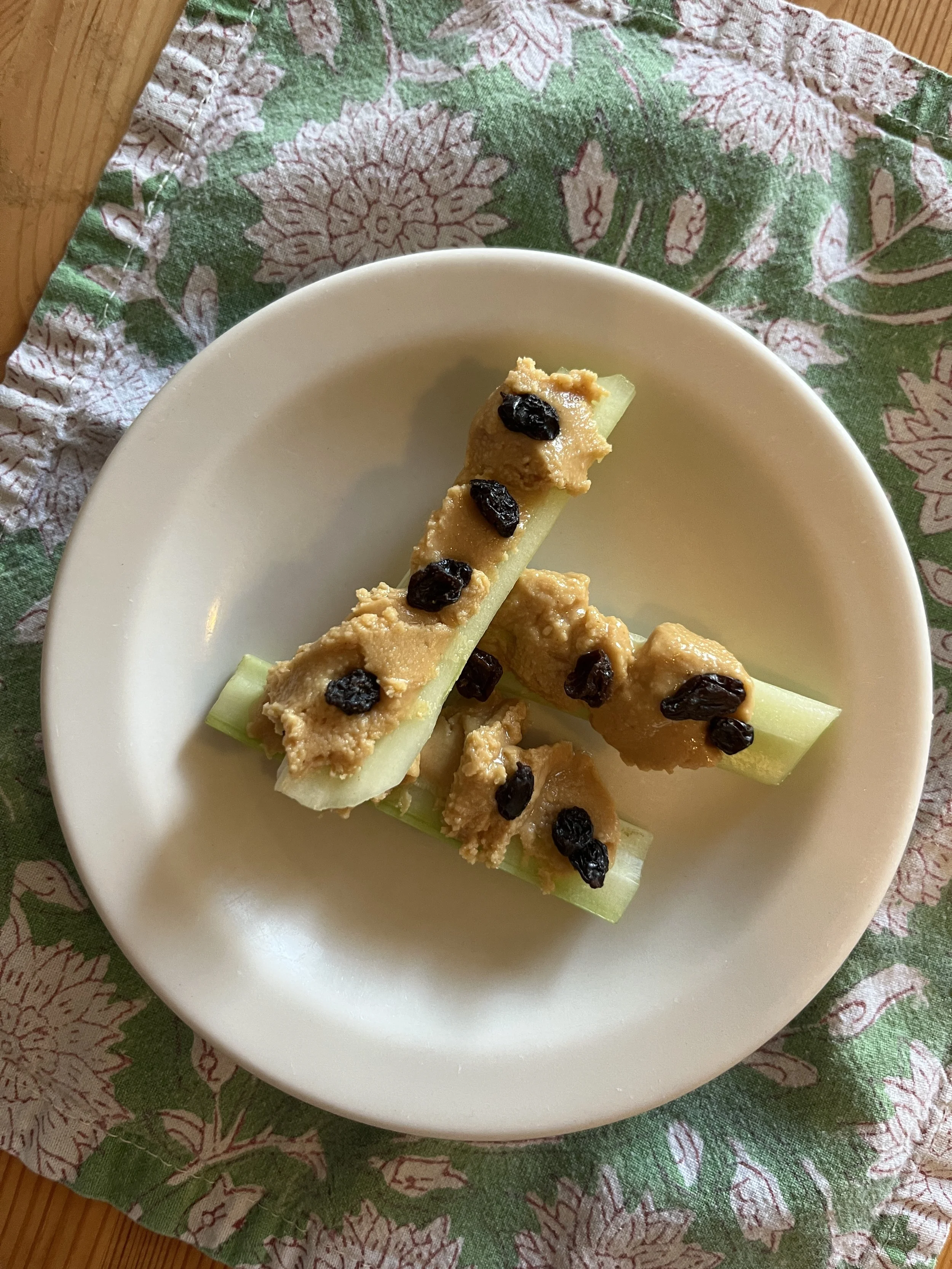
Ants on a Log (Celery topped with Peanut Butter & Craisins)
-
![]()
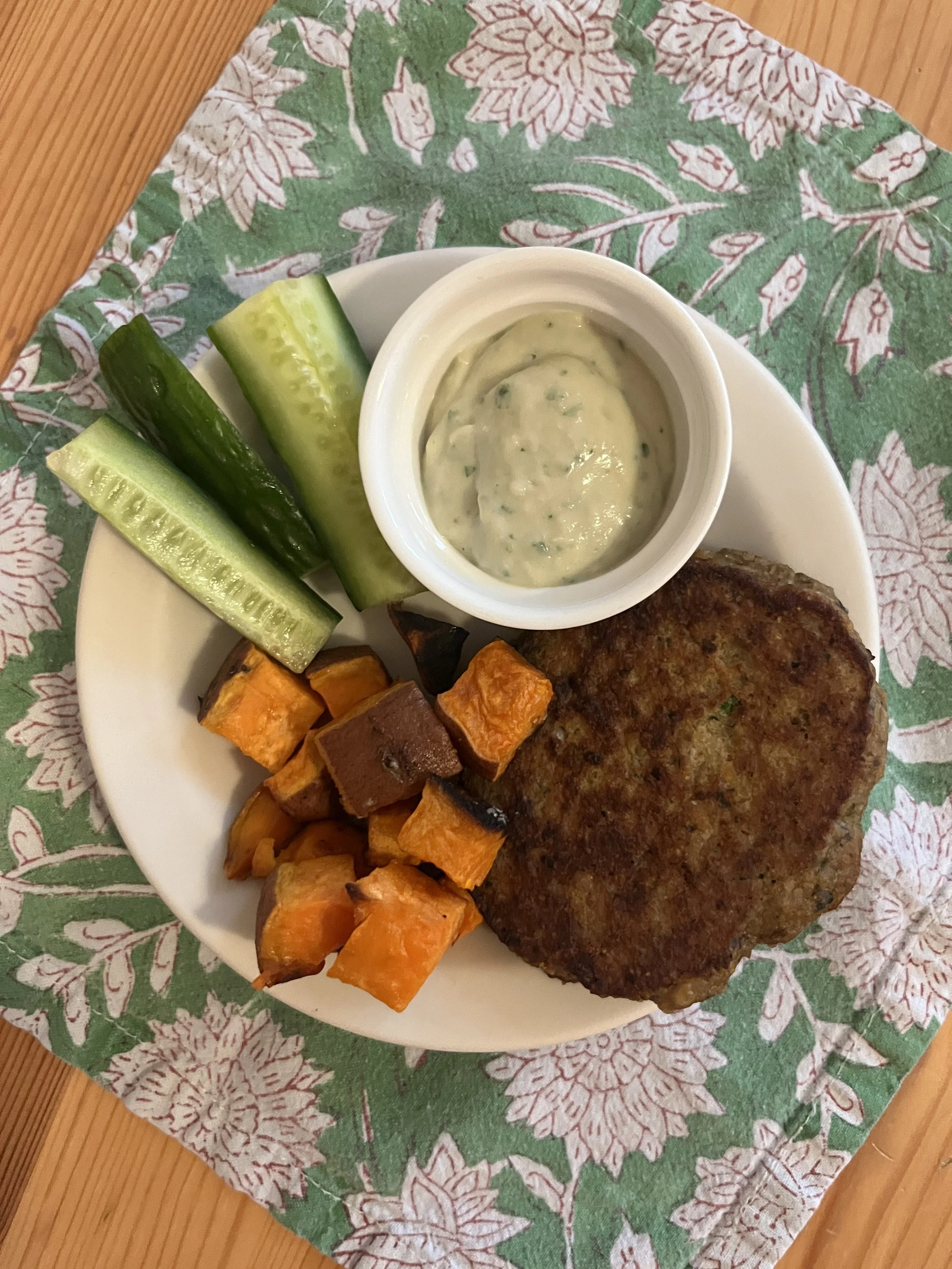
Black Bean Taco Fritters served with Cashew Herb Dipping Sauce + Sweet Potatoes & Cucumbers
-
![]()
Crispy Garbanzo Bean Tofu & Seasame Soy Squiggly Noodles + Roasted Rainbow Carrots & Green Peas


Parent Guidance Nights
Monthly | 4:45–5:45 PM | Light refreshments + Childcare provided
At Moss & Heart Montessori, we believe that education works best when we support the whole child—and their whole family. That’s why we offer monthly Parent Guidance Nights directly after school, designed to nurture community, connection, and growth.
Led by Amy, a Certified Positive Discipline Parent Educator, these sessions are a relaxed space to:
Connect and socialize with other parents
Learn Positive Discipline philosophy and practical parenting tools
Engage with Montessori presentations inspired by current or upcoming classroom experiences, as well as common lessons woven into our daily rhythm
Ask questions and find support in the ever-evolving journey of parenting a young human to become a person of their time and place.
Childcare is provided for enrolled students and their siblings, allowing parents to participate fully and comfortably.
We hope you’ll join us each month as we grow and learn—together.
